Source status

Published records retain source and verification context.

Japan / town

Hakone

箱根町

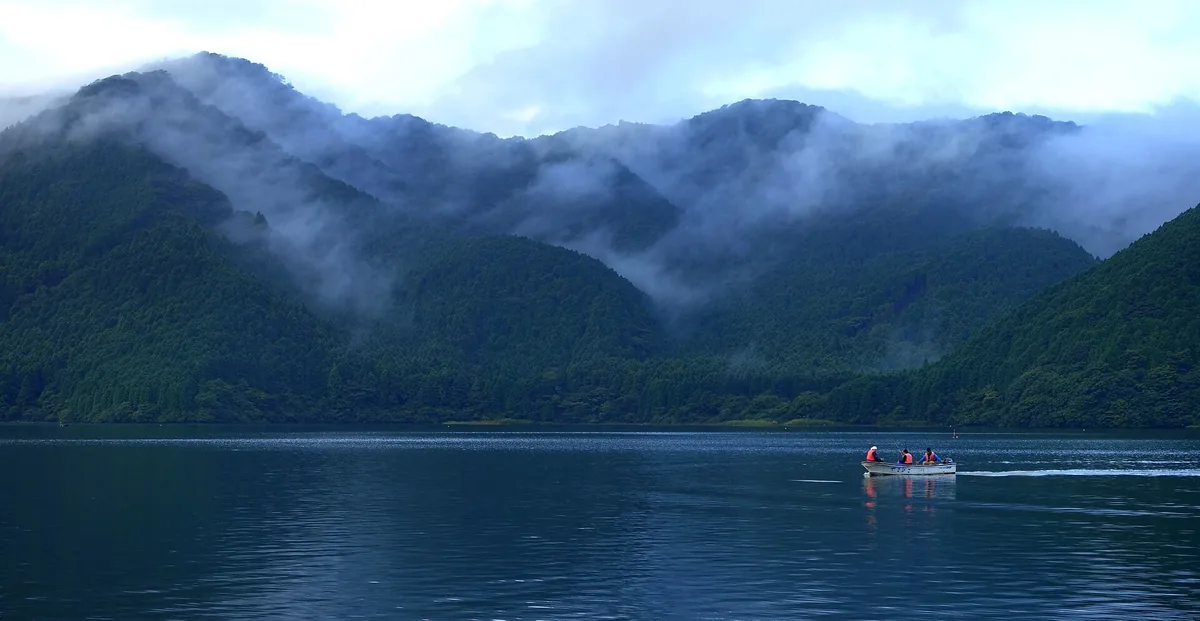
A dispersed mountain resort town of hot springs, museums, Lake Ashi and volcanic landscapes linked by several transport modes.

Recommended stay
12 days
Trip role
main destination
01

Why it fits

A place in the route, not just a pin on the map.

Hakone is not one compact town centre. Visitors move among Hakone-Yumoto, Gora, Owakudani, Lake Ashi and museum areas by train, cable car, ropeway, bus and boat. A classic loop is possible as a day trip from Tokyo, but transfers, queues and weather leave little margin. Staying overnight better suits travelers who want an onsen, a slower museum visit or time around Lake Ashi. Because the transport network and volcanic area can be disrupted, check the official operating status and safety guidance shortly before setting out.

Best when

Best for hot springs, mountain scenery, art, a Tokyo-side retreat and travelers comfortable linking several public-transport modes.

Think twice when

Less suitable for travelers who dislike transfers, weather-dependent transport, steep terrain or resort-area accommodation costs, or who want one compact walkable centre.

Decision profile / 02

What changes the trip.

Comparable fields make the trade-offs explicit without creating one overall rank.

Access

90 min

Official Hakone guidance places the direct limited-express trip from Shinjuku to Hakone-Yumoto at about 90 minutes. The stored time is a planning comparison, not a guaranteed timetable; local sightseeing then depends on linked services and live operating conditions.

From Shinjuku Station
Season

spring / summer / autumn

Spring flowers, summer greenery, autumn foliage and clearer winter views each change the experience. Elevation, heavy rain, snow, volcanic conditions, maintenance and seasonal demand can affect comfort and transport. Monthly scores are static editorial planning aids, not forecasts or live crowd measurements.

Budget

premium

Hakone sits in a premium editorial planning band because transport, admissions and an onsen stay can add up. Day trips can cost less, while lodging and dining vary sharply by date; confirm current fares, pass coverage and accommodation prices before booking.

Crowds

seasonal

Use this profile as a planning signal, then check dated local conditions.

Day-trip fit3/5
Overnight fit5/5
Public transport4/5
Car need2/5
First visit4/5
Family4/5
Solo4/5

Month by month

Three signals across the year.

Weather fit and seasonal value use 5 for a stronger planning signal. Crowd level uses 5 for stronger expected pressure; it is a static editorial signal, not live congestion or a cross-city rank.

Monthly weather fit, seasonal value and crowd level for Hakone. Each factor is shown separately on a one-to-five scale.
FactorJanFebMarAprMayJunJulAugSepOctNovDec
Weather222233323343
Season433555444554
Crowd423553353453

Planning notes / all 12 months

What each month changes.

These are static, source-led planning notes—not forecasts or live crowd reports. Recheck weather, events and operations before travel.

01

January

Weather
2/5
Season
4/5
Crowd
4/5

Cold mountain conditions overlap New Year and winter-view interest; snow and transport status need live checks.

02

February

Weather
2/5
Season
3/5
Crowd
2/5

Cold late-winter conditions and a lower seasonal congestion proxy still leave snow and maintenance as live risks.

03

March

Weather
2/5
Season
3/5
Crowd
3/5

Cool, wetter spring transition conditions vary by elevation; flower timing and access require current checks.

04

April

Weather
2/5
Season
5/5
Crowd
5/5

Spring interest rises despite wet normals, while late-April and early-May holiday demand can strain transport.

05

May

Weather
3/5
Season
5/5
Crowd
5/5

Milder spring conditions and seasonal scenery support value, with local variation by elevation and date.

06

June

Weather
3/5
Season
5/5
Crowd
3/5

Very wet early-summer normals overlap hydrangea interest; rainfall, visibility and bloom timing are not forecast here.

07

July

Weather
3/5
Season
4/5
Crowd
3/5

Warm and very wet mountain conditions require separate live checks for storms, heat and transport disruption.

08

August

Weather
2/5
Season
4/5
Crowd
5/5

Warm holiday-period conditions overlap the Obon congestion signal; transport capacity and weather need current checks.

09

September

Weather
3/5
Season
4/5
Crowd
3/5

Early autumn has the highest precipitation normal in the source table; storm impacts remain outside this static score.

10

October

Weather
3/5
Season
5/5
Crowd
4/5

Cooler autumn conditions and seasonal scenery support value; foliage timing varies across elevations.

11

November

Weather
4/5
Season
5/5
Crowd
5/5

Cool foliage-season conditions coincide with strong demand signals; transport status and annual timing require rechecking.

12

December

Weather
3/5
Season
4/5
Crowd
3/5

Cold, relatively drier winter conditions retain seasonal value; snow, closures and holiday operations need verification.

In-depth guide

Know the place before you go.

Detailed, source-led context for planning the visit—not a substitute for current official notices.

01

context

First, understand what Hakone is

Hakone works less like a single walkable resort town and more like a chain of mountain districts connected by specialized transport. Hakone-Yumoto is the main rail gateway; the climbing railway continues toward Miyanoshita and Gora; the cable car and ropeway climb through Sounzan and Owakudani; buses and the sightseeing cruise connect the Lake Ashi side. That geography is the key to planning. Two attractions that look close on a regional map may sit on opposite sides of a ridge and require several transfers.

This distributed layout is also Hakone's strength. In one trip you can combine an onsen town, outdoor art, an active volcanic landscape, a forest shrine and a lake rather than choosing only one kind of experience. The trade-off is that every additional stop carries a transport cost in time and energy. A satisfying day is usually built around one continuous route, while a rushed day is often a collection of famous names connected in the wrong order.

Use this guide to choose a side of Hakone, a direction of travel and a realistic number of anchors. Treat the times shown elsewhere on this page as planning baselines, then check the official route search and live service page on your travel date. Weather, maintenance, volcanic conditions and road congestion can change how the network operates.

  • Best for: travelers who enjoy varied scenery, onsen stays and transport as part of the experience.
  • Less suitable for: anyone expecting a flat, compact center that can be covered entirely on foot.
  • Core decision: one-day circuit for breadth, or an overnight stay for a slower museum, lake or onsen focus.
02

planning

Choose the right Hakone area before choosing a hotel

Hakone-Yumoto is the easiest base for short stays and early departures. It concentrates rail connections, bus platforms, shops and many ryokan near the eastern entrance to the mountains. Staying here reduces the risk of a complicated final transfer after dark, but it does not put you next door to Owakudani or Lake Ashi. It is a gateway, not a central point from which every attraction becomes walkable.

Miyanoshita, Kowakidani and Gora suit travelers prioritizing museums, gardens and the mountain railway. Gora is especially useful for continuing to the cable car and ropeway. Sengokuhara offers a more spread-out highland atmosphere and access to several art museums, while Owakudani is primarily a visit rather than a broad lodging district. Togendai is the transfer point between the ropeway and the Lake Ashi cruise and can suit travelers who want quiet lake access.

Moto-Hakone and Hakone-machi are better for travelers centering the lake, Hakone Shrine, the old Tokaido corridor or morning views across the water. Their bus and boat links are useful, but road traffic matters. The official area map also includes Odawara, Mishima and Gotemba as gateways or extensions. They are not interchangeable with an overnight stay inside Hakone, yet they can simplify a through-route between Tokyo, Kyoto, the Fuji area and Izu.

  • Hakone-Yumoto: easiest rail gateway and a practical first-time base.
  • Gora and nearby districts: strongest fit for art, gardens and the ropeway approach.
  • Sengokuhara: highland museums and a quieter, more dispersed stay.
  • Moto-Hakone or Hakone-machi: lake, shrine and old-road focus.
  • Togendai: useful lake-and-ropeway junction, especially on a directional route.
03

highlights

The experiences that define a first Hakone trip

For a first visit, choose experiences that reveal different sides of the region rather than several attractions of the same type. Owakudani is the volcanic anchor: visitors arrive by ropeway or road to see exposed rock, steam vents and the high-elevation landscape, subject to current safety and operating conditions. The Hakone Open-Air Museum is the art anchor, using a hilly garden and indoor galleries to connect sculpture with the mountain setting. Hakone Shrine is the cultural anchor, set in forest above Lake Ashi with its well-known lakeside torii.

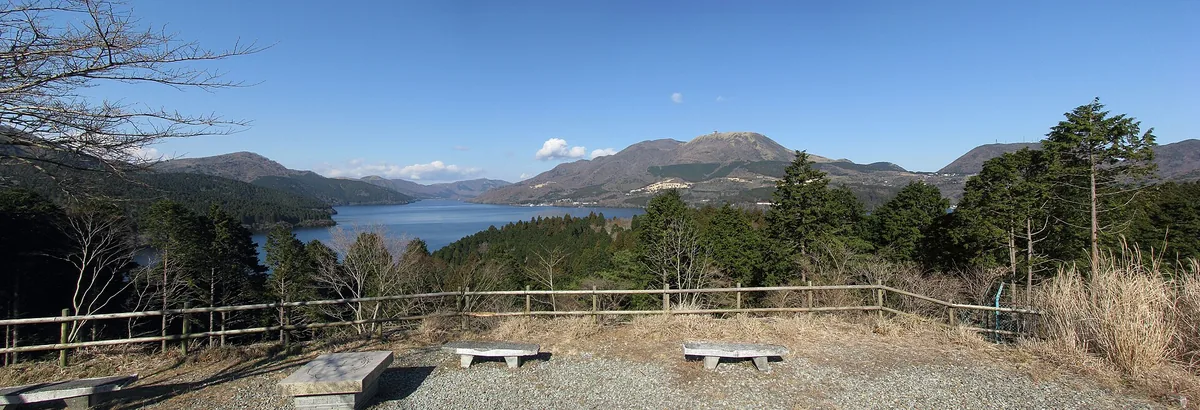
Lake Ashi provides the geographic link between Togendai, Hakone-machi and Moto-Hakone. A cruise can be useful transportation as well as sightseeing, but it should not be treated as guaranteed connective tissue: check sailing status and the last useful departure before relying on it. Gora, the old Tokaido road, Sengokuhara and Hakone's many museums can then be selected according to interest.

An onsen is not merely an add-on if you stay overnight. It is one of the clearest reasons to give Hakone two days: instead of using every daylight hour in transit, you can stop earlier, use your accommodation and resume with a different area the next morning. Day visitors can still look for a day-use bath, but policies, tattoo rules, towels and admission windows vary by facility and should be confirmed directly.

  • Nature: Owakudani and the Lake Ashi landscape.
  • Art: The Hakone Open-Air Museum or a focused museum in Sengokuhara.
  • Culture: Hakone Shrine and, with more time, the old Tokaido corridor.
  • Rest: an onsen stay or a deliberately scheduled day-use bath.
04

planning

A realistic one-day Hakone plan

A one-day visit works best as a directional circuit. From the Tokyo side, an efficient first-time sequence is Hakone-Yumoto, the mountain railway toward Gora, the cable car to Sounzan, the ropeway through Owakudani, then Togendai and Lake Ashi before returning by bus from Moto-Hakone or Hakone-machi. The official first-time course demonstrates that this linked route is feasible, but feasibility is not the same as unlimited capacity. Every museum stop, meal queue and missed connection consumes the margin that makes the circuit comfortable.

Choose no more than two substantial stops in addition to the transport experience. One version pairs the Open-Air Museum with Owakudani, then treats the lake as the return route. Another moves through Owakudani with a short station-area visit and saves time for Hakone Shrine at Moto-Hakone. Trying to do the museum, a full Owakudani nature-trail session, the shrine, a long lunch and an onsen in the same day leaves little resilience.

Start early, travel light and decide in advance which stop you will drop if service is interrupted. Check ropeway, railway, bus and cruise status before leaving the gateway, not only after reaching a transfer point. A reverse direction can sometimes fit your lodging or crowd strategy better; the correct direction is the one that protects your priority attraction and final connection.

  • Anchor A: one museum or Gora-area activity.
  • Anchor B: Owakudani or Hakone Shrine, with the other kept brief or optional.
  • Buffer: protect at least one connection cycle for queues, weather or a missed vehicle.
  • Exit plan: know which bus or rail gateway you will use if the lake or ropeway link changes.
05

planning

How to use two days without repeating the loop

Two days let you divide Hakone by terrain instead of circling the same route twice. On day one, travel from Hakone-Yumoto through the central mountain districts: give the Open-Air Museum or another art stop enough time, continue through Gora and Sounzan, and visit Owakudani if conditions permit. End near Sengokuhara, Togendai, Gora or your chosen ryokan rather than forcing a late cross-region transfer.

Use day two for the lake side. Travel to Togendai or Moto-Hakone, cross or follow Lake Ashi according to current operations, visit Hakone Shrine, and add either the old Tokaido atmosphere, Hakone Checkpoint area or a quiet lakeside walk. If the weather is poor, reverse the emphasis: spend more time in museums and at your accommodation, then use the clearer period for Owakudani or lake views.

The strongest overnight plan includes protected time at the property. Confirm the accommodation's check-in, meal and bath arrangements because a ryokan dinner can have a fixed arrival requirement. Send or store large luggage when possible; carrying suitcases across the mountain railway, cable car, ropeway, boat and buses makes a scenic route considerably harder. If continuing west toward Kyoto or Osaka, consider finishing near a connection to Odawara or Mishima rather than automatically returning to Shinjuku.

  • Day 1: central mountains, art, Gora and Owakudani.
  • Day 2: Lake Ashi, Hakone Shrine and an old-road or lakeside choice.
  • Build around the ryokan's arrival and meal rules, not around an abstract list of attractions.
  • Use a through-route when it reduces backtracking to Tokyo.
06

access

Access from Tokyo and how local transport really works

From Tokyo, Hakone-Yumoto is the most intuitive rail gateway, while Odawara is the main interchange for the Tokaido Shinkansen and other rail services. Official Hakone guidance uses an approximately ninety-minute direct journey from Shinjuku to Hakone-Yumoto as a planning baseline. Actual door-to-door time depends on the train chosen, reservations, transfers and where inside Hakone you are going. Reaching the gateway is only the first stage; allow additional time for the mountain network.

Local travel combines the Hakone Tozan Line, cable car, ropeway, sightseeing cruise and multiple bus services. These modes form a useful circuit, but they are separate operations with different stopping patterns and exposure to weather, maintenance and road congestion. Read destination names as carefully as line names. A bus for Moto-Hakone, a bus serving Hakone-machi and a service toward Togendai may share parts of a corridor without delivering the same itinerary.

Passes can offer value when your route uses several covered services, but the pass should follow the itinerary rather than dictate it. Compare current coverage, validity and exclusions on the official site after selecting your stops. Keep the live transportation page open on travel day. If one mountain link is suspended, the best response is often to simplify the day around one side of Hakone, not to reproduce the entire loop through replacement buses and taxis.

  • Tokyo-side gateway: Hakone-Yumoto for the classic approach; Odawara for wider rail connections.
  • Western gateways: Mishima and Gotemba can support through-travel or Fuji-area combinations.
  • Large luggage: store or forward it before a multi-mode circuit.
  • Live check: review operations before the first mountain transfer and again before committing to the ropeway or lake crossing.
07

planning

Where to stay: match the base to the next morning

Choose lodging by the final activity on day one and the first activity on day two. Hakone-Yumoto minimizes gateway friction and suits a late arrival or early return to Tokyo. Gora and the central mountain districts reduce the approach to museums, the cable car and the ropeway. Sengokuhara suits travelers who want a highland atmosphere and art focus but are comfortable relying on buses or a property shuttle. Lake-side bases favor the shrine, water views and a quieter morning, while making a return to the eastern rail gateway more dependent on roads.

For a ryokan stay, the room is only part of the product. Check whether dinner is included, the latest arrival accepted for dinner, bath access, private-bath reservations, bedding style, child policy, dietary communication and tattoo rules. These details are property-specific and can matter more than a small difference in map distance. An inexpensive room far from your first stop may cost more in taxi fares or lost time.

Do not assume every property listed under Hakone sits near Hakone-Yumoto or Gora Station. Confirm the exact stop, the walk from that stop and whether the last segment is steep or unlit. If a shuttle is offered, verify its reservation method and final pickup. Travelers with mobility needs should ask about the route from street or station to reception, not only whether an accessible room exists.

  • Late arrival or one-night simplicity: Hakone-Yumoto.
  • Museum and ropeway start: Gora or nearby central districts.
  • Highland art focus: Sengokuhara.
  • Lake and shrine morning: Moto-Hakone, Hakone-machi or Togendai side.
  • Always confirm the exact transport stop and final approach.
08

seasonality

Seasons, elevation and what can change your day

Hakone changes noticeably with season and elevation. Spring flowers do not peak everywhere at once; summer brings green mountain scenery along with rain, humidity and occasional storm disruption; fall foliage moves through elevations and attracts strong demand; winter can provide clearer long-distance views but also cold, snow or ice. Official guidance notes that Lake Ashi, Owakudani and other high-elevation areas can be several degrees cooler than Hakone-Yumoto, so clothing chosen for Tokyo may not be enough.

Rain is not automatically a failed Hakone day. Museums, an onsen stay and some transport experiences still work, but exposed viewpoints and outdoor sculpture lose comfort, and wind can affect aerial or lake services. Bring a layer and weather protection that leaves your hands free on stairs and transfers. In winter, footwear with grip matters more than a fashionable heavy coat if paths are wet or icy.

Seasonal pages and climate normals are planning context, not a forecast. Flowering, foliage, volcanic visibility and Mount Fuji views vary by day and year. Check the local forecast, official service status and any warnings immediately before travel. During New Year, Golden Week, Obon and the popular foliage period, allow more queue and road time; the official congestion tool is more useful than assuming one universally quiet hour.

  • Spring: variable bloom timing and cool high elevations.
  • Summer: greenery, rain and weather-disruption risk.
  • Fall: foliage interest plus heavier transport demand.
  • Winter: colder surfaces and possible snow, with potential for clearer views.
  • Year-round: pack one more layer than Tokyo conditions suggest.
09

accessibility

Planning Hakone with children or limited mobility

Hakone can be rewarding for families because the trains, cable car, ropeway and boat feel like activities rather than mere transfers. The same chain becomes tiring with a stroller, large luggage or a child who needs predictable meals and toilets. Build around one major attraction and one scenic transport segment. Confirm age and weather rules for hands-on museum features, and never treat the volcanic area as a casual playground.

The Open-Air Museum itself warns of hills, steep slopes, stairs and narrow passages. At Hakone Shrine, the official precinct guide describes a 90-step stone stairway on the main approach, while Which Japan has not verified a continuous step-free route to the main worship area. Ask each facility about the complete arrival-to-experience route before travel; for the shrine, confirm any current drop-off or alternative approach directly rather than assuming that the main route is wheelchair accessible.

A lower-transfer itinerary is often better than a famous loop. A traveler using a wheelchair or conserving energy might choose a direct bus to the lake side, a focused central-area museum visit, or a ropeway out-and-back from the more convenient approach rather than forcing every mode into one day. Road traffic can lengthen seated time on buses, so schedule breaks and identify restrooms at major stations.

  • Reduce transfers before reducing visit time at the priority attraction.
  • Check the path beyond the station or parking area, including gradients and steps.
  • Use station facilities and luggage services to remove avoidable physical load.
  • Confirm current wheelchair, stroller and child rules directly with each operator.
10

planning

Common Hakone planning mistakes—and the better decision

The first mistake is reading Hakone as one pin. Search results can make every attraction appear to belong to the same town, but mountain ridges and transport changes separate them. The better decision is to group stops by corridor and move in one direction. The second mistake is treating the classic loop as a checklist. Its value is the changing landscape and transport sequence; adding too many admissions turns it into a race between timetables.

The third mistake is relying on a pass or old blog itinerary without checking current operations. A transport pass can be economical, but it cannot guarantee that a ropeway, cruise or bus will run as expected. Use the official live page and retain an indoor or one-side alternative. The fourth mistake is carrying full-size luggage through the circuit. Use lockers, forwarding or accommodation delivery when available, and verify size limits because the official FAQ restricts large luggage on the ropeway.

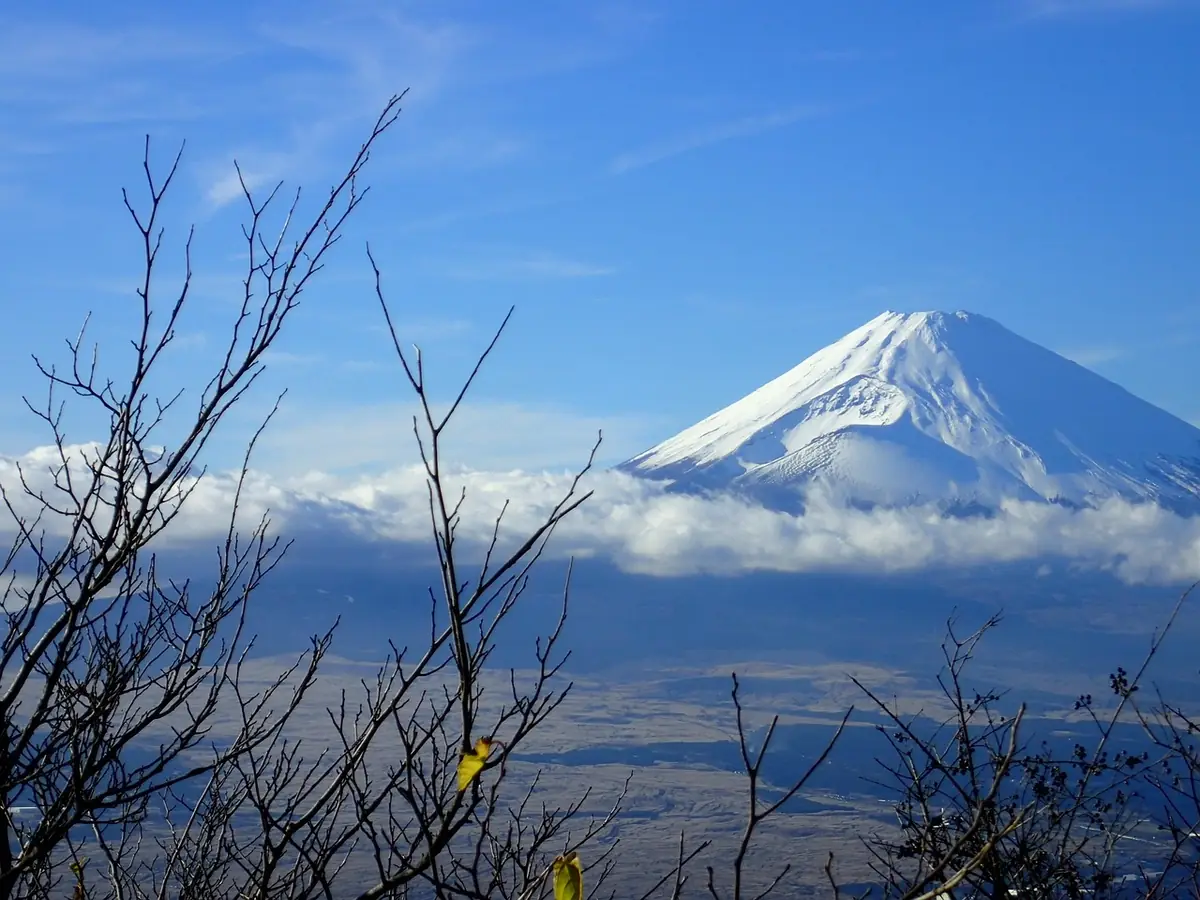
Finally, do not build the trip around guaranteed Mount Fuji visibility, a fixed foliage date or an exact volcanic view. These are conditions, not booked attractions. A robust Hakone plan still feels worthwhile if the mountain is behind cloud: art, shrine forest, onsen, food and the experience of moving through the terrain should carry the day. If only the view matters, keep the itinerary flexible enough to respond to the forecast.

  • Do not: connect distant pins in map order. Do: follow one transport corridor.
  • Do not: schedule every famous stop. Do: protect two anchors and a buffer.
  • Do not: depend on yesterday's service pattern. Do: use the official live page.
  • Do not: carry large luggage around the loop. Do: store or forward it.
  • Do not: promise yourself a view. Do: plan a day that works in cloud or rain.

Evidence / 04

Sources and verification

21 sources

  1. About The Hakone Open-Air MuseumChokoku-no-Mori Art Foundation
  2. Hakone Shrine precinct guideHakone Shrine / Kuzuryu Shrine
  3. Hakone monthly precipitation normalsJapan Meteorological Agency
  4. Before Your TripOdakyu Hakone Group
  5. Hakone congestion forecastOdakyu Hakone Group
  6. Hakone in fallOdakyu Hakone Group
  7. Hakone in springOdakyu Hakone Group
  8. Hakone in summerOdakyu Hakone Group
  9. Hakone in winterOdakyu Hakone Group
  10. Hakone Navi — OwakudaniOdakyu Hakone Group
  11. Hakone Transportation InfoOdakyu Hakone Group
  12. Hakone visitor FAQOdakyu Hakone Group
  13. Hakone-jinja ShrineOdakyu Hakone Group
  14. Hakone-Yumoto StationOdakyu Hakone Group
  15. Transportation in HakoneOdakyu Hakone Group

Keep deciding

Place it beside another destination.

Open comparison