Source status

Published records retain source and verification context.

Japan / city

Fukuoka

福岡市

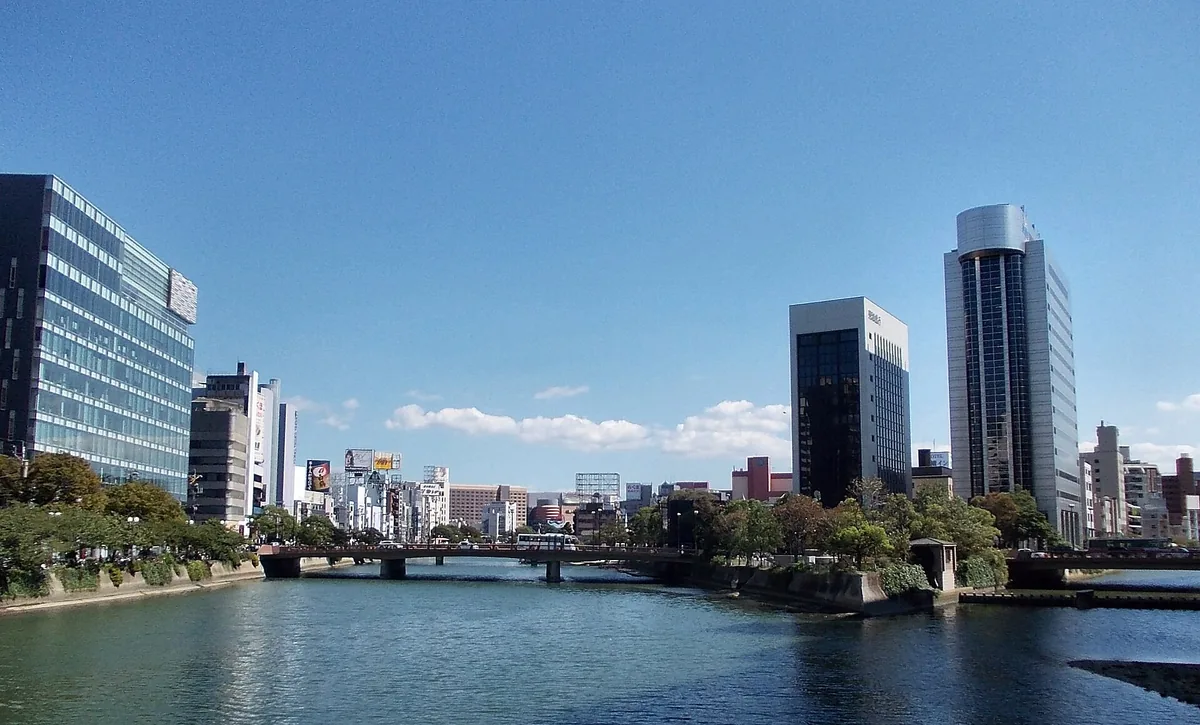
Nakasu district and riverfront buildings in central Fukuoka
Nakasu's riverfront shows the dense, walkable center of Fukuoka after the waterway bends through it.Photo by STA3816 via Wikimedia Commons; resized and converted to WebP · Wikimedia Commons (opens in a new tab) · CC BY-SA 3.0 (opens in a new tab)

A compact Kyushu gateway where airport access, food culture, nightlife and historic Hakata sit unusually close together.

Recommended stay
12 days
Trip role
base
01

Why it fits

A place in the route, not just a pin on the map.

Fukuoka connects its airport directly with Hakata and Tenjin by subway. Food stalls and local cuisine sit alongside historic temple-and-shrine districts, shopping, art and waterfront attractions, making the city practical for a short stay or as a base for a wider Kyushu route. A first visit can combine Kushida Shrine and the historic Hakata area with Ohori Park and Fukuoka Tower, while leaving time for food-focused neighborhoods after dark. Festival periods, the rainy season and late-summer storms can change access and comfort, so check current official transport, event and weather information before travel.

Best when

Best for food-focused travelers, short urban stays, nightlife, car-free sightseeing and visitors beginning or ending a wider Kyushu itinerary.

Think twice when

Less suitable for travelers looking mainly for a quiet temple town or one concentrated heritage district, or for those who prefer to avoid a multi-neighborhood urban itinerary.

Decision profile / 02

What changes the trip.

Comparable fields make the trade-offs explicit without creating one overall rank.

Access

5 min

Fukuoka Airport Station is about five minutes from Hakata Station by subway according to current official city guidance. Rail, subway and bus links make most central visitor areas practical without a car; the stored five-minute value is a planning comparison rather than a guaranteed timetable.

From Fukuoka Airport
Season

spring / autumn

Spring flowers and festivals, July's Hakata Gion Yamakasa period, autumn events and winter illuminations change the city's rhythm. Monthly suitability values are static editorial planning aids based on official climate normals and event calendars, not forecasts or live crowd measurements.

Budget

moderate

Fukuoka sits in a moderate editorial planning band for this database. Lodging, food, local transport and attraction costs vary by date and itinerary, so confirm current prices before booking.

Crowds

balanced

Use this profile as a planning signal, then check dated local conditions.

Day-trip fit3/5
Overnight fit5/5
Public transport5/5
Car need1/5
First visit4/5
Family4/5
Solo5/5

Month by month

Three signals across the year.

Weather fit and seasonal value use 5 for a stronger planning signal. Crowd level uses 5 for stronger expected pressure; it is a static editorial signal, not live congestion or a cross-city rank.

Monthly weather fit, seasonal value and crowd level for Fukuoka. Each factor is shown separately on a one-to-five scale.
FactorJanFebMarAprMayJunJulAugSepOctNovDec
Weather334542223543
Season335552533454
Crowd324452532344

Planning notes / all 12 months

What each month changes.

These are static, source-led planning notes—not forecasts or live crowd reports. Recheck weather, events and operations before travel.

01

January

Weather
3/5
Season
3/5
Crowd
3/5

Cool winter conditions with moderate event signals; holiday operations still require current checks.

02

February

Weather
3/5
Season
3/5
Crowd
2/5

Cool conditions and a quieter event-calendar signal support a lower static crowd proxy.

03

March

Weather
4/5
Season
5/5
Crowd
4/5

Milder spring conditions and blossom interest raise seasonal value; bloom timing varies each year.

04

April

Weather
5/5
Season
5/5
Crowd
4/5

Comfortable spring conditions overlap recurring events whose dates need annual confirmation.

05

May

Weather
4/5
Season
5/5
Crowd
5/5

Warm late-spring conditions and event signals support seasonal value as rainfall begins to rise.

06

June

Weather
2/5
Season
2/5
Crowd
2/5

Rainy-season conditions reduce weather fit; daily rainfall and disruption are outside this profile.

07

July

Weather
2/5
Season
5/5
Crowd
5/5

Hot, very wet conditions overlap major festival interest; annual dates and access require current checks.

08

August

Weather
2/5
Season
3/5
Crowd
3/5

Hot and humid midsummer conditions require live heat and storm guidance outside this static profile.

09

September

Weather
3/5
Season
3/5
Crowd
2/5

Warm early autumn can carry storm risk; typhoon effects and closures are not modelled here.

10

October

Weather
5/5
Season
4/5
Crowd
3/5

Mild, relatively dry autumn conditions support walking and outdoor sightseeing.

11

November

Weather
4/5
Season
5/5
Crowd
4/5

Cooler autumn conditions and recurring events support seasonal value; dates vary by year.

12

December

Weather
3/5
Season
4/5
Crowd
4/5

Cool, relatively dry conditions overlap year-end interest; holiday operations require verification.

In-depth guide

Know the place before you go.

Detailed, source-led context for planning the visit—not a substitute for current official notices.

01

context

How Fukuoka Fits Together: Hakata, Tenjin and the Waterfront

Fukuoka is easier to understand as a chain of compact districts than as one sightseeing center. Hakata lies on the eastern side of the core and works as the intercity gateway. Around Hakata Station are hotels, shops and long-distance transport, while Hakata Old Town extends toward Gion and Kushida Shrine through temple streets that reveal the city's merchant and port history. Hakata is both a historical identity and a modern transport area; it is not a formal alternate name for every part of Fukuoka City.

Tenjin is the principal downtown district west of the Naka River, with department stores, underground passages, restaurants and onward Nishitetsu connections. Nakasu and Nakasu-Kawabata sit between Hakata and Tenjin. The area works as a transition in daytime and an evening food and entertainment zone, but the riverside yatai seen in photographs represent only one part of the city's stall culture.

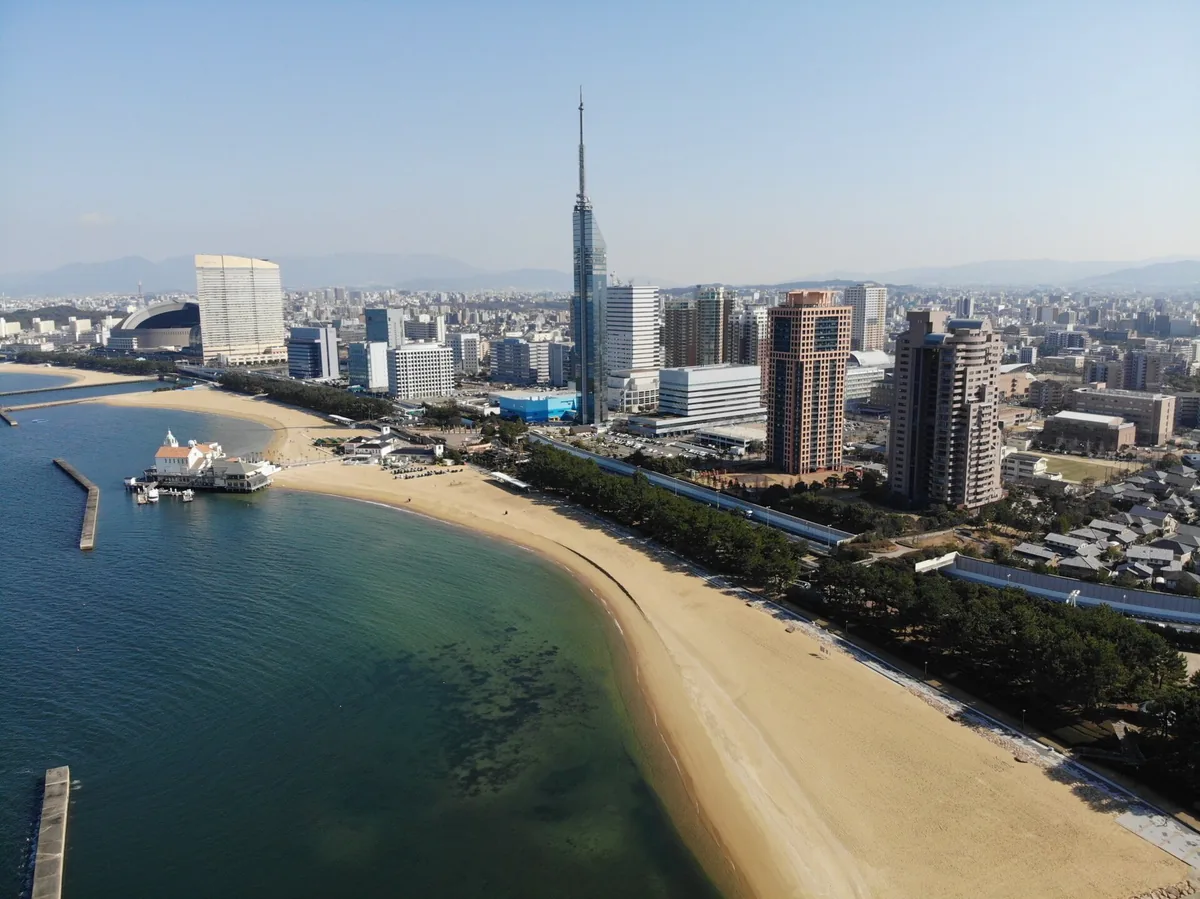
Ohori Park and the former Fukuoka Castle area form a separate western cluster reached conveniently on the Airport Line. Farther west, Seaside Momochi groups Fukuoka Tower, the city museum and the bayfront. Momochi is not a continuation of the central walking loop: it needs a bus journey or a subway ride followed by a meaningful walk. Plan by district and direction instead of repeatedly crossing the city.

  • Hakata Station: rail gateway, hotels and the starting point for Hakata Old Town.
  • Gion and Kushida Shrine: historical Hakata within the central transit corridor.
  • Tenjin: shopping, dining, nightlife and Nishitetsu regional connections.
  • Nakasu-Kawabata: the bridge between Hakata and Tenjin, busiest after dark.
  • Ohori and Momochi: two distinct western clusters, not one continuous walk.
02

planning

Who Fukuoka Suits—and When Another Base May Work Better

Fukuoka suits travelers who want a low-friction city break with food, contemporary city life and layers of local history close together. The airport, Hakata Station and the central districts connect without a car, so the city works particularly well for a first or final night in Kyushu. Solo travelers can move between active neighborhoods easily, while repeat visitors to Japan may appreciate a large city whose daily rhythms remain visible beyond its headline sights.

It is also a strong base for a wider northern Kyushu itinerary. Hakata handles Shinkansen and regional rail, Tenjin provides Nishitetsu access toward Dazaifu, and buses reach other parts of Kyushu. The compact core reduces transfer overhead, but “compact” should not be read as “everything is walkable.” Momochi, coastal islands and regional excursions need dedicated transport time.

Fukuoka may be a weaker match for a traveler seeking a dense sequence of monumental temples or preserved streets comparable to Kyoto or Nara. Historic Hakata is meaningful but interwoven with a working modern city. Travelers whose priority is remote scenery, hiking or a self-drive coastal trip may prefer to give more time to an outlying base. One night can cover a focused introduction; two nights provide a much more convincing balance of history, food and waterfront.

  • Best fit: food-focused city breaks and car-free Kyushu gateways.
  • Strong for: solo travelers, short stays and intercity rail connections.
  • Allow two nights when both the historic core and western waterfront matter.
  • Choose a different base if remote nature is the trip's primary purpose.
  • Do not judge the city only by the station district or one row of yatai.
03

planning

A Realistic One-Day Fukuoka Itinerary

Begin in Hakata Old Town rather than inside the station complex. From Hakata or Gion, choose a short sequence through the temple district and Kushida Shrine. This gives the morning a coherent historical theme without turning every religious site into a checklist stop. Check current venue guidance, behave quietly at active worship sites and leave shopping around Hakata Station for an arrival or departure window.

Cross toward Tenjin and Nakasu-Kawabata for lunch and the city's modern center. Canal-side paths, covered shopping streets or a museum can bridge the route, but pick one. In the afternoon, take the Airport Line west for Ohori Park and the former castle area. A circuit of the pond plus every museum, garden and ruin is not a single short stop, so choose the elements that match the weather and your interests.

Return to Tenjin or Nakasu for dinner. If yatai are the priority, treat them as a flexible tasting experience rather than a guaranteed full evening: individual stalls may not operate, seats are limited and conditions vary with weather. Momochi and Fukuoka Tower should replace the Ohori block or become the evening focus; stacking Hakata, Ohori, Momochi and a long yatai wait produces more transit than discovery. This editorial route assumes roughly eight usable hours, excluding airport or intercity travel.

  • Morning: Hakata Old Town and Kushida Shrine.
  • Midday: one Nakasu-Kawabata or Tenjin food-and-culture block.
  • Afternoon: Ohori Park and one adjacent cultural or castle-history stop.
  • Evening: a reserved restaurant, yatai attempt or both in a short sequence.
  • Substitute Momochi for Ohori when a bay view matters more than park history.
04

planning

How to Spend Two Days Without Repeating the Same Center

Use day one for the east-to-center story. Start around Hakata Old Town, visit Kushida Shrine and continue toward Nakasu-Kawabata. Give Tenjin the later afternoon and evening, when shops, restaurants and yatai areas naturally become more relevant. Staying near Hakata is convenient for early rail departures; staying near Tenjin favors dining, nightlife and Nishitetsu connections. Either base remains workable by subway.

Use day two for western Fukuoka. Begin at Ohori Park before the day's walking accumulates, then choose the castle ruins, art museum or another nearby facility rather than assuming all are included in a park visit. Continue to Seaside Momochi by current public transport. The tower, city museum and coast form a coherent half-day cluster, but the museum and tower have their own operating conditions and should be checked separately.

A day trip is an alternative to day two, not an invisible extra. Dazaifu can fill much of a day when the shrine approach, Kyushu National Museum and local streets are visited properly. Itoshima's coastline is more dispersed and demands a transport plan that matches the chosen stops; it is not a simple extension of the central subway circuit. If rain, heat or wind changes the waterfront plan, keep a central museum or shopping district as the substitute instead of forcing the original sequence.

  • Day 1 morning: historical Hakata and Kushida Shrine.
  • Day 1 afternoon and evening: Nakasu-Kawabata, Tenjin and food.
  • Day 2 morning: Ohori Park plus one adjacent cultural focus.
  • Day 2 afternoon: Seaside Momochi and a bayfront finish.
  • Alternative day 2: Dazaifu or Itoshima, not both.
05

access

Arriving by Air, Shinkansen or Regional Transport

Fukuoka Airport's proximity to the urban core is a genuine advantage, but the terminal matters. The Domestic Terminal connects directly to Fukuoka-kuko subway station on the Airport Line, which serves Hakata, Nakasu-Kawabata and Tenjin. The International Terminal is on the other side of the airfield. Passengers using the subway transfer by the airport's free inter-terminal shuttle, while direct buses may suit some arrivals. Check current terminal and boarding instructions before travel.

Hakata Station is the main rail gateway. It links the Sanyo and Kyushu Shinkansen with JR regional services and places travelers at the eastern edge of the central sightseeing corridor. Build a transfer buffer for finding platforms, collecting luggage and moving through the large station. A short urban train ride does not erase airport immigration, terminal transfer or station-navigation time.

Tenjin is the more useful gateway for Nishitetsu rail and many regional or highway buses. This distinction matters for Dazaifu and for accommodation choices: Hakata favors JR travel, while Tenjin favors some southern and local connections. Ferries and port services add other options, but they should be planned from the exact terminal. Use the operating company for date-specific schedules rather than treating a general city guide as a live timetable.

  • Domestic flights: subway station directly connected to the Domestic Terminal.
  • International flights: account for the separate terminal and transfer choice.
  • Shinkansen and JR: use Hakata Station as the primary gateway.
  • Nishitetsu and many city-center buses: orient around Tenjin.
  • Protect time for terminal, luggage and platform transitions.
06

access

Getting Around Without Losing Time to Transfers

The subway is the simplest backbone for most first visits. The Airport Line joins the airport, Hakata, Nakasu-Kawabata, Tenjin, Ohori Park and stations toward the western coast. The Nanakuma Line also reaches Hakata and serves Tenjin-minami and neighborhoods south of the main corridor, while the Hakozaki Line branches at Nakasu-Kawabata. Read the line and station name, not only the district name, because Tenjin and Tenjin-minami are separate stations linked through the underground area.

Walk within a cluster, then use transit for the next one. Hakata Old Town, central Tenjin and the Ohori loop each reward walking, but a day that joins them all on foot becomes unnecessarily long. City buses are useful for Momochi and destinations away from subway stations; road traffic makes exact arrival times less dependable. For a simple bayfront trip, compare the current bus route with a subway-plus-walk option.

Stored-value IC cards reduce ticket decisions across many services, but sightseeing passes cover different operators and boundaries. A pass is useful only when its valid network matches the planned rides. Check the current official conditions instead of buying on reputation. Cars are unnecessary in the core and add parking and congestion decisions; reserve one for a regional route that genuinely benefits from it.

  • Use the Airport Line as the main visitor corridor.
  • Walk inside Hakata, Tenjin or Ohori—not automatically between all three.
  • Use buses selectively for Momochi and off-line destinations.
  • Compare pass coverage with the actual itinerary before purchase.
  • Leave a margin for road traffic and unfamiliar station exits.
07

experience

Food Planning and Yatai Etiquette

Food is a reason to visit Fukuoka, but a strong plan goes beyond one bowl of Hakata ramen. Udon, seafood, yakitori, dumplings and hot-pot dishes broaden the day, and the best choice depends on season, group size and dietary needs. Reserve a suitable restaurant when a particular dish or accessible seat matters. Use yatai as one expression of the city's dining culture rather than expecting every local specialty from a tiny stall.

Fukuoka's official guide identifies Tenjin, Nakasu and Nagahama as the main yatai areas. A stall may close because of weather, a personal schedule or other operating conditions, so confirm current status and keep a nearby restaurant alternative. Seats are close together, menus and payment methods vary, and large groups may need to split or choose a conventional restaurant.

The official etiquette is practical: each guest should order, avoid occupying a limited seat for a long time without ordering and respect the personal space of staff and neighboring diners. Order a manageable amount, pay promptly and move on when others are waiting. Takeout is restricted under the yatai operating rules, so do not assume leftovers can be packed. Ask before photographing people or the working interior, manage bags compactly and follow smoking or queue instructions at the individual stall.

  • Choose a yatai area, but keep the exact stall flexible.
  • Expect weather and operator decisions to affect opening.
  • Order at least one item per person and avoid a long idle stay.
  • Do not rely on takeout, generous luggage space or seating for a large group.
  • Keep a restaurant backup for allergies, children or accessible seating needs.
08

seasonality

When to Visit Fukuoka and How Weather Changes the Plan

Spring and autumn usually offer the easiest conditions for linking urban walks with parks and the waterfront, but seasonal flowers and major events concentrate demand on particular dates. Consult the official event calendar for the travel period rather than using a generic “shoulder season” label. Flower timing changes by year, and a festival can alter transport, accommodation and access far more than the average monthly crowd profile suggests.

Early summer brings the rainy season, while midsummer is hot and humid. Shift outdoor walks to the cooler part of the day, carry water and keep an indoor block near the same transit corridor. Late summer into autumn can bring typhoons. Their effect is not predictable from a calendar: flights, rail, buses, ferries, yatai and waterfront facilities may all change operations. Follow JMA and the relevant operator when a storm approaches.

Winter is generally workable for city sightseeing, but coastal wind and short daylight can make Momochi or island plans feel colder than a central shopping route. Monthly JMA normals are useful for broad packing decisions, not for predicting a particular day. Recheck the short-range forecast, sunset, live transport status and venue notices shortly before departure, then keep one district that works in rain as a substitute.

  • Spring: comfortable walking weather with variable bloom and event demand.
  • Rainy season: protect outdoor routes with a nearby indoor alternative.
  • Summer: heat, humidity and the need for midday rest.
  • Late summer and autumn: monitor typhoons and transport operators.
  • Winter: prepare for coastal wind and an earlier waterfront finish.
09

accessibility

Planning Fukuoka with Children or Limited Mobility

Fukuoka's rail-connected core can reduce transfer stress for families and travelers with limited mobility. The subway operator reports elevator routes at all stations, sometimes using an adjoining facility, along with accessible gates and boarding support. That network-level statement does not guarantee that every street exit is step-free or that an elevator is operating on a particular day. Check the station layout and ask staff for the most suitable route.

Use the Fukuoka Prefecture Barrier-Free Map to screen facilities for elevators, toilets and other features, then confirm details directly with the venue. Historic shrine and temple grounds can still include gravel, thresholds or steps, while waterfront routes expose visitors to sun and wind. A stroller-friendly transit ride can end at a long outdoor approach, so plan the complete path rather than only the nearest station.

Ohori Park provides open space and can pair with one nearby indoor facility. Momochi's museum and other attractions can also work for families, but their schedules and access policies differ. Yatai are compact, exposed to weather and poorly suited to large luggage or a group that needs predictable seating; use a restaurant as the main meal and make a stall optional. Build each half day around one district, toilets and a seated rest.

  • Check the exact elevator exit, not only whether a station has an elevator.
  • Confirm facility access after consulting the prefectural barrier-free map.
  • Pair an outdoor cluster with one nearby indoor rest option.
  • Treat yatai as optional when seating or dietary certainty matters.
  • Limit each half day to one district to control accumulated walking.
10

planning

Common Planning Mistakes—and Which Day Trip to Choose

The first mistake is confusing fast airport access with a zero-time arrival. International passengers may need the terminal shuttle before reaching the subway, and every arrival still includes baggage and navigation. The second is booking every meal around yatai. A stall is a small, weather-sensitive business, not a reservation substitute. The third is walking every district because Fukuoka is called compact; the useful measure is short transit between clusters, not one uninterrupted pedestrian route.

Dazaifu is the clearest history-focused excursion. Nishitetsu access begins from the Tenjin side, and the shrine approach can be combined with the Kyushu National Museum and surrounding streets. Give the excursion a meaningful block rather than racing back to complete Ohori and Momochi. Check the shrine, museum and railway sources for current conditions.

Itoshima suits travelers prioritizing coast, cafés and landscape, but its points of interest are dispersed. Select the exact places first, then decide whether current rail, bus, bicycle or car connections make sense. Weather can affect coastal activity and boat services. Other islands and farther Kyushu cities deserve the same discipline: do not select a destination only because Hakata is a transport hub. For a first two-day visit, Fukuoka City itself usually offers more depth than one city day followed by two compressed excursions.

  • Do not omit the International Terminal transfer from the arrival plan.
  • Do not make yatai the only dinner option.
  • Do not walk from Hakata to every western attraction by default.
  • Choose Dazaifu for concentrated history and Itoshima for dispersed coast.
  • Use a third day—or replace a city day—for a substantial excursion.

Evidence / 04

Sources and verification

23 sources

  1. AccessFukuoka Airport
  2. Inter-Terminal ShuttleFukuoka Airport
  3. Subway AccessFukuoka Airport
  4. Fukuoka City Tourist Information at Hakata StationFUKUOKA CITY Official Tourist Guide
  5. Fukuoka event calendarFukuoka City Official Tourist Guide
  6. Fukuoka for First-TimersFUKUOKA CITY Official Tourist Guide
  7. Hakata Old Town Area — Photogenic CourseFUKUOKA CITY Official Tourist Guide
  8. Navigating Typhoon Season in FukuokaFUKUOKA CITY Official Tourist Guide
  9. Recommended RoutesFUKUOKA CITY Official Tourist Guide
  10. Seaside Momochi AreaFUKUOKA CITY Official Tourist Guide
  11. The Ins-and-Outs of Yatai — Part 1FUKUOKA CITY Official Tourist Guide
  12. Barrier-Free FacilitiesFukuoka City Subway
  13. Route MapFukuoka City Subway
  14. Fukuoka Barrier-Free MapFukuoka Prefecture
  15. One Day in Dazaifu — A Spiritual JourneyFukuoka Prefecture Tourism Association
  16. Fukuoka monthly climate normalsJapan Meteorological Agency
  17. Exploring Fukuoka City's past and presentJapan National Tourism Organization
  18. Fukuoka CityJapan National Tourism Organization
  19. Information about Ohori ParkOhori and Nishi Park Management Office

Keep deciding

Place it beside another destination.

Open comparison