Source status

Published records retain source and verification context.

Japan / city

Hiroshima

広島市

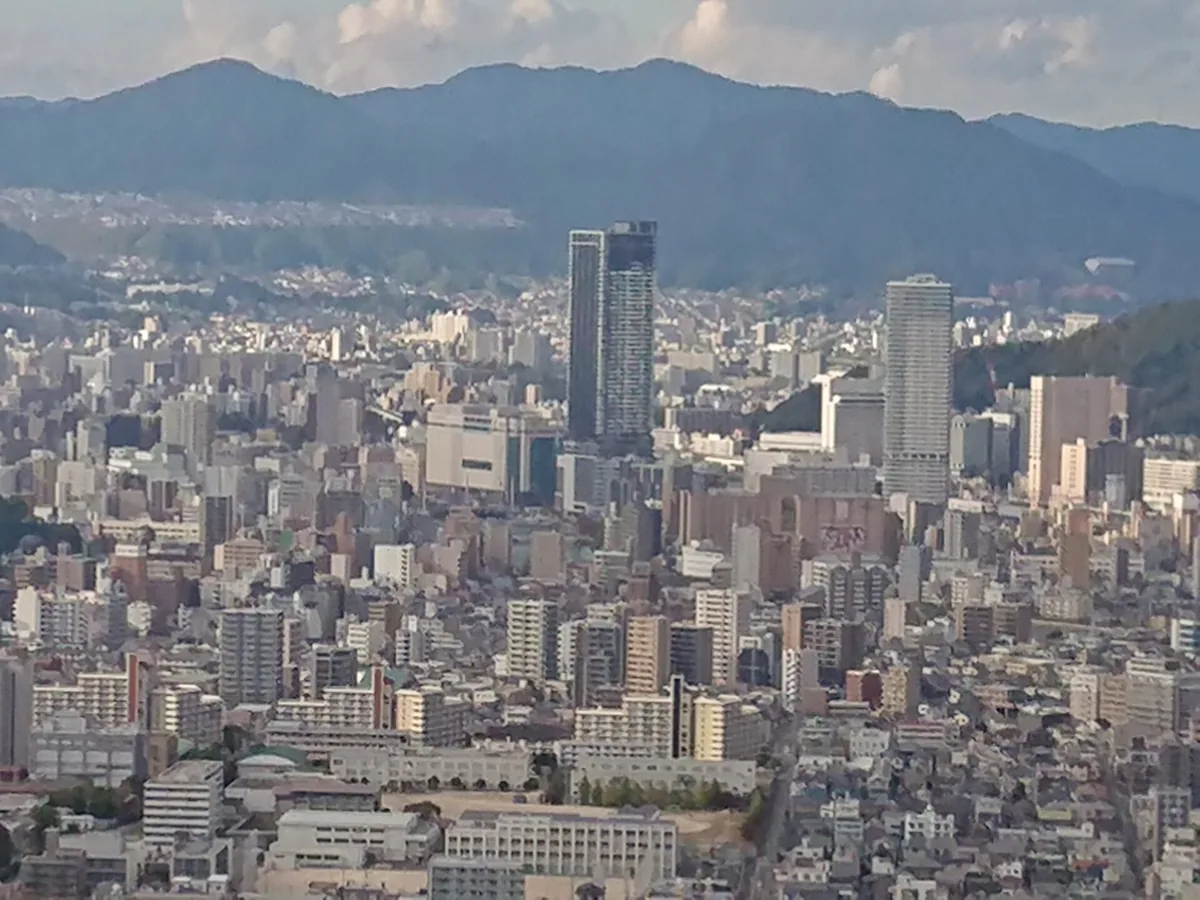
Central Hiroshima cityscape seen from an elevated viewpoint
Hiroshima's center spreads between low hills and a network of river channels.Photo by Netherzone via Wikimedia Commons; resized and converted to WebP · Wikimedia Commons (opens in a new tab) · CC BY-SA 4.0 (opens in a new tab)

A rail-connected city where peace history, urban culture and access to Miyajima shape a practical western Japan stop.

Recommended stay
12 days
Trip role
main destination
01

Why it fits

A place in the route, not just a pin on the map.

Hiroshima combines the Peace Memorial Park and museum with a compact city center, tram-based sightseeing, local food culture and onward access to Miyajima. The core city can be explored in a full day, while a second day gives more room for museums, neighborhoods or a separately planned Miyajima visit.

Best when

Travelers interested in modern history, culture, food and a car-free western Japan route.

Think twice when

Travelers seeking only light sightseeing should consider the emotional weight of the peace-history sites and keep Miyajima as a separate destination decision.

Decision profile / 02

What changes the trip.

Comparable fields make the trade-offs explicit without creating one overall rank.

Access

90 min

Shin-Osaka is the comparison gateway: the Sanyo Shinkansen reaches Hiroshima Station in about 90 minutes on typical direct services. Trams and sightseeing buses connect the station with the central visitor areas; check the operator timetable for the exact day of travel.

From Shin-Osaka Station
Season

spring

Spring flowers, the August peace memorial period and autumn foliage create distinct seasonal reasons to visit. Check current event dates, weather and transport notices before travel.

Budget

moderate

Hiroshima sits in a moderate planning band for this database. Accommodation, meals, local transport and admission costs vary by date and itinerary, so confirm current prices before booking.

Crowds

seasonal

Use this profile as a planning signal, then check dated local conditions.

Day-trip fit3/5
Overnight fit5/5
Public transport5/5
Car need1/5
First visit5/5
Family4/5
Solo5/5

Month by month

Three signals across the year.

Weather fit and seasonal value use 5 for a stronger planning signal. Crowd level uses 5 for stronger expected pressure; it is a static editorial signal, not live congestion or a cross-city rank.

Monthly weather fit, seasonal value and crowd level for Hiroshima. Each factor is shown separately on a one-to-five scale.
FactorJanFebMarAprMayJunJulAugSepOctNovDec
Weather334542223543
Season334532353443
Crowd114342243552

Planning notes / all 12 months

What each month changes.

These are static, source-led planning notes—not forecasts or live crowd reports. Recheck weather, events and operations before travel.

01

January

Weather
3/5
Season
3/5
Crowd
1/5

Cool and relatively dry; winter suitability is retained as an approved editorial planning assessment.

02

February

Weather
3/5
Season
3/5
Crowd
1/5

Cool late-winter conditions; seasonal value is retained as an approved editorial planning assessment.

03

March

Weather
4/5
Season
4/5
Crowd
4/5

Milder spring weather and seasonal nature signals; bloom timing requires a current-year recheck.

04

April

Weather
5/5
Season
5/5
Crowd
3/5

Comfortable spring candidate with stronger seasonal interest; seasonal interest is assessed separately from the measured visitor-pressure baseline.

05

May

Weather
4/5
Season
3/5
Crowd
4/5

Warm conditions with rising rain; the score is not a forecast or destination ranking.

06

June

Weather
2/5
Season
2/5
Crowd
2/5

Rainy-season conditions reduce the weather candidate; event effects still need an annual recheck.

07

July

Weather
2/5
Season
3/5
Crowd
2/5

Hot, wet midsummer conditions; event dates remain a separate current-year advisory.

08

August

Weather
2/5
Season
5/5
Crowd
4/5

Peak heat overlaps major memorial-period travel; access and event conditions require current checking.

09

September

Weather
3/5
Season
3/5
Crowd
3/5

Warm early autumn with elevated rainfall; typhoon and live-weather risk are outside this profile.

10

October

Weather
5/5
Season
4/5
Crowd
5/5

Milder and drier autumn conditions support the candidate fit, under the approved monthly-profile-v1 method.

11

November

Weather
4/5
Season
4/5
Crowd
5/5

Cool autumn conditions and seasonal context support value; foliage timing varies by year.

12

December

Weather
3/5
Season
3/5
Crowd
2/5

Cool and relatively dry; year-end operations and events require a release-date recheck.

In-depth guide

Know the place before you go.

Detailed, source-led context for planning the visit—not a substitute for current official notices.

01

context

How Hiroshima Fits Together

Hiroshima grew on the broad delta of the Ota River, and six rivers still shape the center today. This explains both the city's open waterfront character and its unusual street plan: districts that look close on a map may require a detour to the next bridge. The riverbanks also make orientation easier once you stop treating the center as a single grid.

For most visitors, the city has four practical anchors. Hiroshima Station is the rail and airport-bus gateway. Peace Memorial Park and Otemachi form the main historical core farther west. Kamiyacho, Hondori and Hatchobori make up the commercial and transport center between the park and the station, while Hiroshima Castle and Shukkeien occupy the quieter northern side of central Hiroshima.

The port district of Ujina lies south of the center and serves ferries and sea travel. It is part of Hiroshima's identity as a City of Water, but it should be treated as a separate outing rather than casually added to a tightly scheduled walk around Peace Memorial Park. The journey south is straightforward by streetcar, yet it consumes enough time to matter on a one-day itinerary.

A useful planning habit is to group stops by river crossing. Peace Memorial Park, the central shopping district, the castle and the station are connected by frequent transport, but repeatedly moving between them wastes time. Complete one zone before continuing to the next, especially in summer heat or rain.

  • Rail gateway: Hiroshima Station
  • Peace-history core: Peace Memorial Park and Otemachi
  • Central transport and dining: Kamiyacho, Hondori and Hatchobori
  • Castle-town layer: Hiroshima Castle and Shukkeien
  • Waterfront and ferries: Ujina, planned as a separate district
02

highlights

The Main Areas and What Each Is Best For

Peace Memorial Park, the Atomic Bomb Dome and the Peace Memorial Museum form one connected area, but they are not interchangeable photo stops. The City of Hiroshima presents the wider district as a place to understand the bombing, reconstruction and the meaning of peace. Leave time to walk between monuments and absorb the setting rather than measuring the visit only by the museum queue.

Hondori, Kamiyacho and Hatchobori are the functional center of a first visit. They combine streetcars, buses, the Astram Line, shopping and restaurants within walking distance of the park. Nagarekawa, Yagenbori and Shintenchi extend the center eastward into Hiroshima's principal evening dining and entertainment district.

North of Kamiyacho, Hiroshima Castle and Shukkeien reveal the city before 1945. The castle keep closed to interior visitors in March 2026, although its exterior and the Ninomaru remain the practical focus of a current visit. Verify the castle's live calendar because redevelopment and access conditions can change.

Around Hiroshima Station, Ekinishi offers a compact cluster of small restaurants convenient before or after a train journey. It is useful for logistics, but it does not replace the wider restaurant choice around Hondori and Nagarekawa. Travelers who value an early Shinkansen more than nightlife will often prefer the station area; travelers who want to walk back from dinner may prefer the central districts.

Do not try to select the objectively best area. Match the area to the purpose of that part of the day: remembrance and learning in the park, efficient transfers in Kamiyacho, pre-1945 history north of the center, and food or nightlife east of Hondori.

  • Peace Memorial Park: history, remembrance and museum time
  • Hondori and Kamiyacho: transport, shopping and central meals
  • Nagarekawa: evening dining and nightlife
  • Hiroshima Castle and Shukkeien: pre-1945 city history
  • Ekinishi: compact station-side dining
03

planning

How to Plan One Full Day

If you have only one full day, keep the focus on Hiroshima City rather than automatically combining the city and Miyajima. The official city course connects Shukkeien, Hiroshima Castle, the Atomic Bomb Dome, the Peace Memorial Museum and the National Peace Memorial Hall, showing that the central city alone can fill a meaningful day.

Make the Peace Memorial Museum the fixed point in the schedule. Its web-ticket and reservation rules can change by date, and certain periods or time slots may require advance booking. If you secure an early entry, visit the museum first and walk through the park afterward. Otherwise, begin with the Dome and park monuments, then enter at your reserved time.

Allow roughly three to four hours for the complete peace area if you plan to read carefully, visit the museum and National Peace Memorial Hall, and walk the memorial axis without rushing. That is an editorial planning range, not an operator promise. The emotional intensity of the museum also makes a quiet meal or riverside break more useful than immediately racing to the next attraction.

After lunch around Otemachi or Hondori, continue to the castle grounds and Shukkeien if time and energy allow. The castle keep is now exterior-only, so the stop is shorter than older guidebooks suggest, but the Ninomaru and surviving historical landscape still reward an informed visit. End with dinner around Hondori, Nagarekawa or Ekinishi.

A late arrival changes the decision. Do not compress the museum into the final hour merely to keep every item. Drop the castle or garden first, preserve the peace sites as the day's center, and confirm the museum's current last entry before setting out.

  • Early: reserved museum entry, or the Dome and park monuments
  • Late morning: complete the remaining peace-related sites
  • Lunch: Otemachi, Hondori or Kamiyacho
  • Afternoon: Hiroshima Castle exterior and Shukkeien
  • Evening: Nagarekawa for nightlife or Ekinishi for station convenience
04

planning

Two Days: Hiroshima City and Miyajima

For a first visit, the clearest two-day plan is one day in Hiroshima City and one day on Miyajima. This gives the Peace Memorial Museum and park the concentration they deserve, while allowing time on Miyajima beyond Itsukushima Shrine alone. It also reduces the risk that a ferry delay or museum queue compromises both headline experiences.

Miyajima can be reached through Miyajimaguchi, where two ferry companies operate the short crossing to the island. A direct boat also links the Atomic Bomb Dome area and Miyajima, but departures depend on the tide and operating schedule. Choose the rail-and-ferry route for flexibility or the direct boat for a scenic transfer, then verify the current timetable.

On the island, walking between the ferry terminal, shrine area and town already takes time. Mount Misen, temple visits, the aquarium or a long meal each turn the outing into a full day. Decide which one or two experiences matter most rather than assuming every mapped attraction fits before the return ferry.

Travelers less interested in Miyajima can use the second day to go deeper into the city: Shukkeien, the castle grounds, surviving atomic-bombed buildings and the riverside routes promoted by Hiroshima Peace Tourism. This slower alternative is especially suitable for repeat visitors or travelers who do not want two crowded headline destinations back to back.

An overnight stay is what makes this structure comfortable. A same-day arrival from another major city plus Hiroshima and Miyajima usually creates more transit than interpretation. If only one night is available, choose the city or island as the primary day and accept that the other will be abbreviated.

  • Day 1: Peace Memorial Park, museum, central Hiroshima and dinner
  • Day 2: Miyajima as the main destination
  • Alternative Day 2: castle-town history, Shukkeien and Peace Tourism routes
  • Choose rail and ferry for flexibility; choose the direct boat only after checking the live schedule
05

access

Getting to Hiroshima and Moving Around

Hiroshima Station is the main rail gateway and is served by the Sanyo Shinkansen. Hiroshima Airport is outside the central city; limousine buses connect it with Hiroshima Station and Hiroshima Bus Center. Airport journey times are estimates and can change with road conditions, so build a buffer before a flight and consult the current airport timetable.

Hiroshima Station and Peace Memorial Park are separate parts of the city, not one walkable station complex. The official tourism guide places them roughly two kilometers apart in a straight line and recommends streetcars or the sightseeing loop bus. In the center, streetcars are useful for the station, Kamiyacho, the Atomic Bomb Dome, Hiroshima Port and the Miyajimaguchi direction.

Streetcars are easy to understand when you identify the destination stop before boarding. The same central tracks carry multiple routes, so checking only the platform is insufficient. Confirm the route number and destination, allow for traffic at busy times, and use the operator's current map rather than relying on a static screenshot.

Do not buy a transport pass until the itinerary is settled. Hiroshima's streetcar, bus, ferry and JR products cover different networks, and some passes exclude JR trains or a particular ferry operator. A pass can save money on a carefully matched route but create confusion if it is chosen before deciding how to reach Miyajima.

Walking is valuable within each central district, but bridges and wide intersections increase real distance. Travelers with luggage should use the station, hotel or paid lockers as a base rather than carrying bags through the park. Fares, payment methods, passes and schedules are date-sensitive; use operator links for the final decision.

  • Rail: Sanyo Shinkansen to Hiroshima Station
  • Air: airport bus with a road-traffic buffer
  • Central movement: streetcar, loop bus and district-by-district walking
  • Passes: compare network coverage only after fixing the itinerary
  • Miyajima: decide between JR, streetcar and ferry combinations before purchase
06

planning

Which Hiroshima Area Should You Stay In?

There is no single best hotel district. The right base depends on whether rail transfers, Peace Memorial Park, nightlife or the waterfront matters most. The following is an editorial decision framework based on location and transport links, not a ranking of individual hotels.

Hiroshima Station minimizes friction for the Shinkansen, airport buses and early departures. It is the safest choice for a short transit-heavy stay, but it is not beside the Peace Memorial Park. Expect to use a streetcar, bus or taxi for the principal central sights.

Kamiyacho, Hondori and Otemachi place the park, bus center, streetcars and central dining within easier reach. They suit a first visit built around walking and public transport. Hatchobori and Nagarekawa extend the choice of evening restaurants, but the livelier streets may not suit travelers who prioritize a quiet night.

Ujina is a deliberate specialist choice for waterfront plans, ferries or a slower stay. It is less efficient for a short first visit because every central sightseeing day begins with a trip north. Compare it only when the port itself is part of the itinerary.

Hiroshima Prefecture began levying an accommodation tax in April 2026. Confirm whether it is included in the displayed total, particularly when comparing a direct booking with an overseas platform. Tax rules and exemptions should be checked against the current official guidance rather than copied from an old booking screen.

  • Hiroshima Station: rail connections, airport buses and early departures
  • Kamiyacho, Hondori or Otemachi: Peace Memorial Park and central transport
  • Hatchobori or Nagarekawa: restaurants and nightlife
  • Ujina: waterfront or port-based plans
07

seasonality

When to Visit Hiroshima

Hiroshima has four distinct seasons. Japan Meteorological Agency climate normals show cool winters, hot summers and the highest normal rainfall in June and July. These figures describe long-term conditions, not the forecast for a particular trip, and they should never replace a current severe-weather or transport check.

Spring and autumn generally suit long city walks better than midsummer, but blossom and foliage timing shifts each year. They are also popular travel periods, so comfortable weather does not guarantee an uncrowded museum or hotel market. Reserve time-sensitive attractions before treating a seasonal reputation as the whole plan.

Summer requires heat and rain planning, particularly for exposed walks through Peace Memorial Park and on Miyajima. Carry water, use indoor stops as planned breaks, and allow slower transfers. Winter is cooler and normally drier, although shorter daylight reduces the amount that can be comfortably combined in one day.

August 6 is not an ordinary sightseeing day in Hiroshima. The annual Peace Memorial Ceremony may bring security measures, access restrictions and large numbers of visitors. Rules are issued for each ceremony, so the current City of Hiroshima notice should replace any previous year's details.

The best month is therefore conditional. Choose spring or autumn for walking comfort, winter for a quieter and cooler city rhythm, and summer only with a deliberate heat and rain plan. Recheck blossoms, foliage, ceremonies and typhoon conditions close to departure.

  • Spring: mild walking weather; check current blossom timing
  • Early summer: prepare for rain and humidity
  • Midsummer: heat protection and museum reservations matter more
  • Autumn: comfortable walking conditions and later seasonal color
  • Winter: cooler, often drier conditions with shorter sightseeing days
08

accessibility

Visiting with Children or Limited Mobility

Much of the central sightseeing area follows level streets and riverside paths, but bridges, long crossings and indirect routes can add distance. Accessibility also varies by streetcar stop and vehicle. Hiroshima Electric Railway publishes a current wheelchair guide identifying usable stops and locations where narrow platforms or steep ramps require extra attention.

Wheelchairs are available from the tourist information center in Peace Memorial Park for use around the park and Atomic Bomb Dome area, subject to availability and current service hours. The museum has its own provisions, including wheelchairs, strollers, elevators, priority entry and nursing facilities. Confirm arrangements directly when a specific service is essential because equipment cannot always be reserved.

A step-free map should be treated as a route plan, not a general label for the whole city. Ask a hotel or information center to confirm the best boarding stop, bridge crossing and entrance for the day's essential visits. Leaving one optional stop makes it easier to absorb an unexpected detour without losing the museum reservation.

Families should also plan for the content, not only the physical route. The Peace Memorial Museum presents personal belongings, photographs and documentary evidence of the atomic bombing. Caregivers may wish to preview the museum description, explain the visit in age-appropriate terms and let the child's response determine how much of the exhibition to complete.

Schedule an unhurried outdoor or meal break afterward. A park bench can be useful, but shade and weather protection are limited in exposed areas. Families who need a lighter second half may prefer the garden, riverside or an early dinner to another intensive history museum.

  • Check stop-specific wheelchair guidance before choosing a streetcar route
  • Treat loan wheelchairs and strollers as limited services, not guaranteed reservations
  • Preview the museum's subject matter before visiting with children
  • Build a quiet break after the peace sites
  • Keep one optional stop so an access detour does not break the day
09

nearby

The Best Day Trips from Hiroshima

Miyajima is the strongest first choice for most first-time visitors. From Miyajimaguchi, the ferry crossing takes about ten minutes, but the complete outing includes the journey from central Hiroshima, walking on the island and time around its cultural sites. Treat it as the main plan for the day rather than an automatic half-day add-on.

The correct Miyajima route depends on the starting point and pass. JR, streetcar, two ferry operators and a direct park boat create several reasonable combinations, but they are not interchangeable in coverage or schedule. Select the route after deciding whether speed, scenery or pass compatibility matters most.

Saijo offers a different view of Hiroshima through its sake-brewing culture. Brewery streets, wells, white-walled buildings and red chimneys cluster around the historic district. Individual brewery access and tasting availability change, so verify operating days rather than assuming every building welcomes visitors.

Kure suits travelers interested in maritime history, shipbuilding and Japan's modernization. Its museum area is close to JR Kure Station, making it practical without a car. The Yamato Museum reopened in April 2026, but exhibition access and closure days remain date-sensitive and should be checked before departure.

Choose one day trip according to interest. Miyajima provides major heritage and nature, Saijo provides food and brewing culture, and Kure provides modern industrial and maritime history. Trying to combine two usually replaces the destination experience with transfers.

  • Miyajima: first-time heritage and island landscape
  • Saijo: sake-brewing culture and a compact historic district
  • Kure: maritime, shipbuilding and modern-history interests
  • One day trip per day is the practical default
10

planning

Mistakes That Make a Hiroshima Trip Harder

Hiroshima is easy to navigate once its separate hubs are understood, but an overfilled itinerary can turn meaningful sites into transfer points. Fix the museum or ferry commitment first, then build the rest of the day around it. The most common distance mistake is assuming Hiroshima Station sits beside Peace Memorial Park.

Treating the Peace Memorial Museum as a quick photo stop creates both logistical and emotional problems. Its exhibitions need time, busy periods can involve reservations or waits, and many visitors want space afterward. Protect that time before adding the castle, garden or shopping.

Combining a full city visit and Miyajima is possible only by accepting major trade-offs. State those trade-offs honestly: less museum reading, a shorter island route, tighter ferry timing and little recovery time. A two-day split is the better default for a first visit.

Check all operational information shortly before travel. Museum reservations, ferry departures, airport buses, streetcar guidance and castle access can change independently. A flexible final hour is more valuable than one additional attraction that depends on a perfect connection.

Visitors arriving around August 6 must also read the current ceremony notice. Do not assume normal park circulation, security or crowd patterns. Hiroshima rewards preparation because the objective is not to collect landmarks; it is to understand a living city whose historical layers need different kinds of attention.

  • Assuming Hiroshima Station is beside Peace Memorial Park
  • Treating the Peace Memorial Museum as a short photo stop
  • Combining a full city visit and Miyajima without accepting trade-offs
  • Assuming Hiroshima Castle's keep is still open inside
  • Relying on an old ferry, airport-bus or museum timetable
  • Visiting around August 6 without reading the current ceremony notice

Evidence / 04

Sources and verification

37 sources

  1. Hiroshima City Tourism Overview (2024 data)City of Hiroshima, Economic Affairs and Tourism Bureau
  2. Hiroshima CastleHiroshima Castle
  3. Hiroshima, City of WaterHiroshima Convention & Visitors Bureau
  4. Guide for Wheelchair UsersHiroshima Electric Railway
  5. Hiroshima Tourist PassesHiroshima Electric Railway
  6. Streetcar Route MapHiroshima Electric Railway
  7. Hiroshima Airport Public Transport TimetableHiroshima International Airport
  8. Hiroshima Peace Memorial MuseumHiroshima Peace Memorial Museum
  9. Hiroshima Peace Memorial Museum AccessibilityHiroshima Peace Memorial Museum
  10. Current Congestion and Facility InformationHiroshima Tourism Association
  11. Ekinishi Dining DistrictHiroshima Tourism Association
  12. Hiroshima Hondori Shopping StreetHiroshima Tourism Association
  13. Hiroshima Official Guide MapsHiroshima Tourism Association
  14. Hiroshima World Heritage Sea RouteHiroshima Tourism Association
  15. Kamiyacho Tourist Information CenterHiroshima Tourism Association
  16. Nagarekawa Nightlife DistrictHiroshima Tourism Association
  17. Saijo Sake Town GuideHiroshima Tourism Association
  18. Trend InformationHiroshima Tourism Association
  19. Wheelchair Rental in Peace Memorial ParkHiroshima Tourism Association
  20. Yamato Museum Visitor InformationHiroshima Tourism Association
  21. Hiroshima Prefecture Tourist TrendsHiroshima Tourism Association (HIT)
  22. Hiroshima Prefecture Accommodation Tax NoticeHiroshima Tourism Association / Hiroshima Prefecture
  23. Events — Hiroshima Tourism Association, Hiroshima Prefecture and Hiroshima CityHiroshima Tourism Association, Hiroshima Prefecture and Hiroshima City
  24. Hiroshima Climate NormalsJapan Meteorological Agency
  25. Hiroshima monthly weatherJapan National Tourism Organization
  26. Kure Official Tourism SiteKure Tourism Association
  27. Access to MiyajimaMiyajima Tourist Association
  28. Kansai-Hiroshima Rail Area InformationWest Japan Railway Company

Keep deciding

Place it beside another destination.

Open comparison